The Rise of OnlyFans and the Creator Economy
OnlyFans has revolutionized how adult content creators monetize their work. Once dubbed the ‘paywall of porn’ by The New York Times, the platform has enabled nearly one million creators to generate passive income, scale their businesses, build personal brands, and bypass traditional gatekeepers.
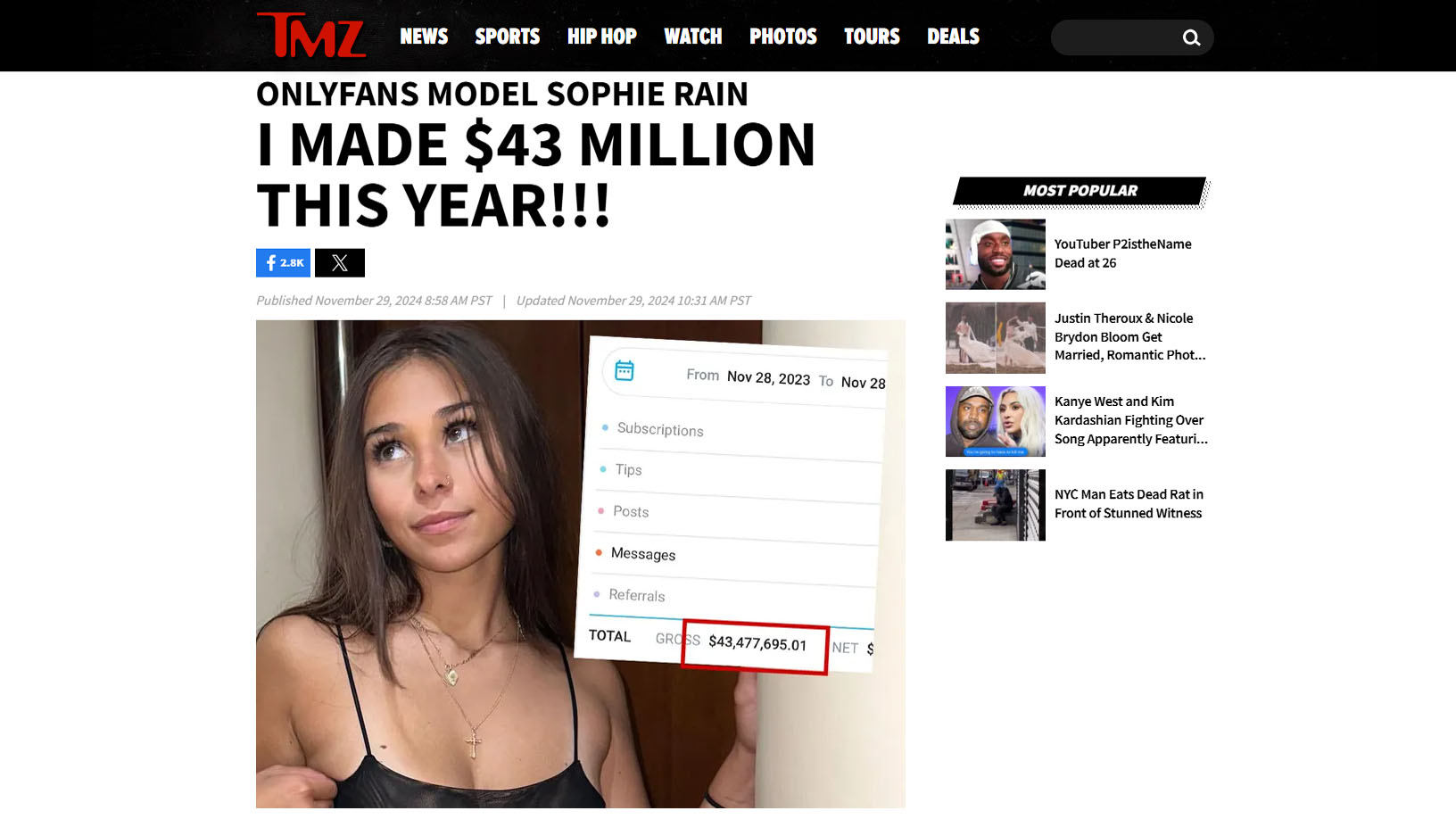
The last years have seen a revolution in work across the whole porn industry.
Before the rise of porn-clip marketplaces, the job was pretty much gig based. Performers would have to sell their time to studios on a per-scene or per-day basis, and would be paid $600–$3000 per gig — selling also the copyrights on their work to the producer. The real profits are then made by the studios who would sell these scenes to their subscriber base on their own paysites.
This only slowly changed with digital platforms like Clips4Sale (founded 2003) and ManyVids (founded 2014) that would allow adult content creators to distribute their own content while retaining full copyright to their work. But it was OnlyFans (founded 2016) that completely changed the game by letting creators earn money in a way that focuses on their personality and individuality. It transformed freelancers (gig workers) into entrepreneurs (creators) by removing the ‘time for money’ dynamic and replacing it with the ability to connect with a fan base and earn a passive income directly through them.
While OnlyFans hosts creators from various fields, it has become synonymous with adult content, democratizing sex work by allowing creators to monetize intimate content on their own terms.
The Explosive Growth of OnlyFans
Founded in 2016, OnlyFans operates under Fenix International, a UK-registered company that requires limited financial reporting. Despite this, available reports paint a clear picture of explosive growth—outpacing most competitors and proving the age-old notion: sex sells.
According to its 2023 financial report, OnlyFans generated $1.3 billion in revenue—a 20% increase from the previous year—while pre-tax profits surged 25% to $658 million. The platform’s user base expanded significantly, reaching 305 million accounts, with creator accounts growing to over 4 million—both increasing nearly 30% year-over-year. In total, users spent more than $6.6 billion on the platform, a 19% jump from 2022. Unlike other content platforms, OnlyFans returns 90% of revenue to creators, keeping only 10%, making it highly profitable despite having just 42 full-time employees. This lean model allowed CEO and owner Leonid Radvinsky to extract $475 million in dividends last year alone—bringing his total earnings from the platform to $1.3 billion since acquiring it from founder Tim Stokely. Forbes estimates Radvinsky’s net worth at $3.8 billion, a fortune built in part from his previous ventures in adult websites.
Beyond the financials, OnlyFans continues to add 500,000 new users daily, paying out over $200 million per month to creators. Fueled by the rise of independent adult content creators and the global pandemic, the platform has transformed into one of the most lucrative media businesses in the world—dwarfing mainstream competitors like Patreon.
One of its top creators, Jem Wolfie, exemplifies this success. Back in 2019, she had around 10,000 fans paying $15 per month for her content—a number that has likely skyrocketed since. But her success wasn’t solely due to OnlyFans. Like many creators, she leveraged her 2.5 million Instagram followers, converting just 0.4% into paying subscribers. This highlights a crucial aspect of OnlyFans’ business model—it provides the platform, but creators must handle their own audience growth and marketing.
The Struggle of Customer Acquisition in Adult Content
For adult creators, customer acquisition remains a major challenge. Unlike mainstream businesses, they can’t rely on paid advertising. Instead, they turn to platforms like Instagram, X (Twitter), Reddit, YouTube, Twitch, and even TikTok to attract followers and convert them into paying subscribers. But these platforms prohibit NSFW content, often banning creators after they’ve built large audiences.
The issue runs even deeper: imagine running a business generating $150,000 per month but being unable to invest a single dollar in advertising. For comparison, the U.S. Small Business Administration recommends companies allocate 7–8% of their revenue to marketing, while Hollywood spends up to 30%.
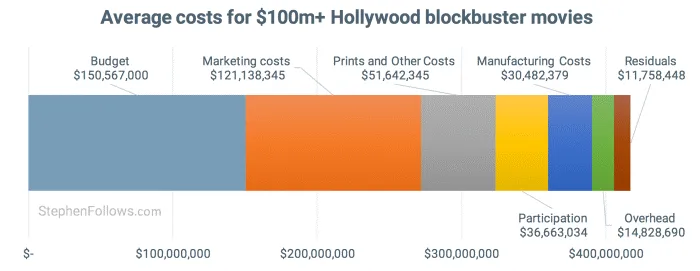
Yet, adult creators must rely solely on organic social media growth, blending in with mainstream influencers while finding creative ways to reach their audience. Despite these challenges, they have built a billion-dollar industry.
The Future: A New Era of Discovery for Adult Content Creators
The adult content revolution has turned gig workers into independent creators.
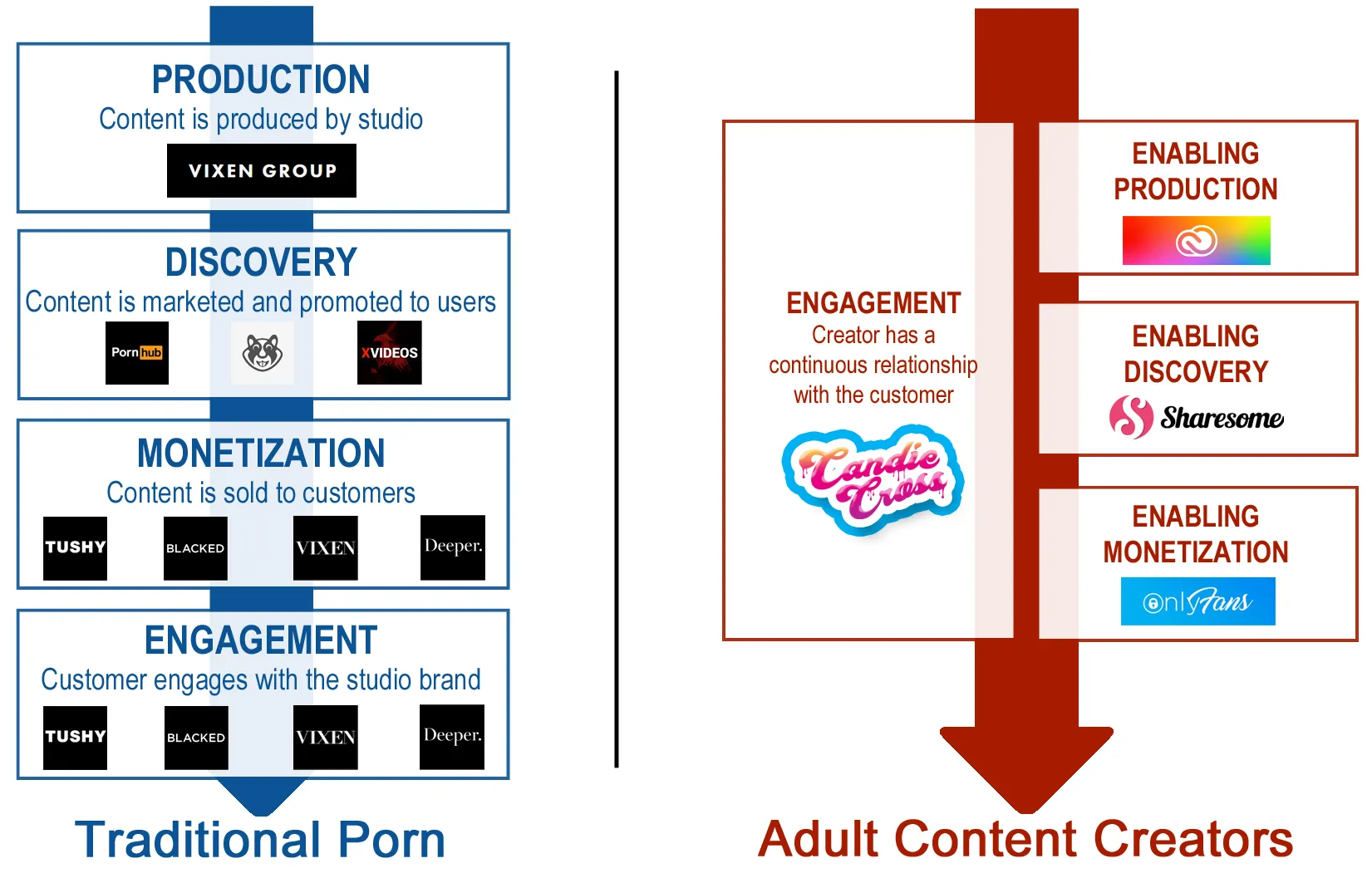
The shift from the traditional economy to the creator economy has fundamentally changed the landscape of content production, discovery, monetization, and engagement.
Production has become more accessible than ever, as digital platforms allow anyone to create and distribute content without the need for large-scale studios or significant financial investment. This democratization has enabled diverse voices and narratives to flourish, breaking away from the exclusivity of traditional media, which historically required substantial resources and infrastructure.
Discovery has also evolved, with creators moving towards greater autonomy by developing their own platforms and apps, freeing themselves from the unpredictability of social media algorithms. In contrast, traditional studios continue to rely on established distribution networks and industry gatekeepers to reach their audience.
When it comes to monetization, creators are no longer dependent solely on advertising and sponsorships. They have diversified their revenue streams through subscriptions, direct fan support, live streaming, and exclusive content, creating a more sustainable and independent business model. Traditional studios, however, still primarily rely on box office sales, streaming deals, and advertising.
Lastly, engagement has become more personal in the creator economy, with influencers and content creators interacting directly with their audience through comments, live streams, and social media, fostering a sense of community. In contrast, traditional media engagement remains largely indirect, relying on audience surveys and intermediaries, making the relationship between creators and consumers far less personal. This transformation has empowered individuals to build their own brands, engage authentically with their audiences, and monetize their work on their own terms.
Sharesome: The First Social Discovery Platform for Adult Content
Launched in 2018, Sharesome is the first adult-focused social discovery network. Growing to 3 million users and 7,000 creators in just a few years, the platform recently introduced Promoted Posts —becoming the first free social media platform to allow adult creators to advertise their content openly.
Since its launch, Sharesome has delivered around 200,000 Promoted Posts, generating 720 million ad views. Unlike mainstream platforms, it offers affordable advertising options, with CPMs as low as $1, compared to $5–$10 on X (Twitter), Instagram, or Facebook.
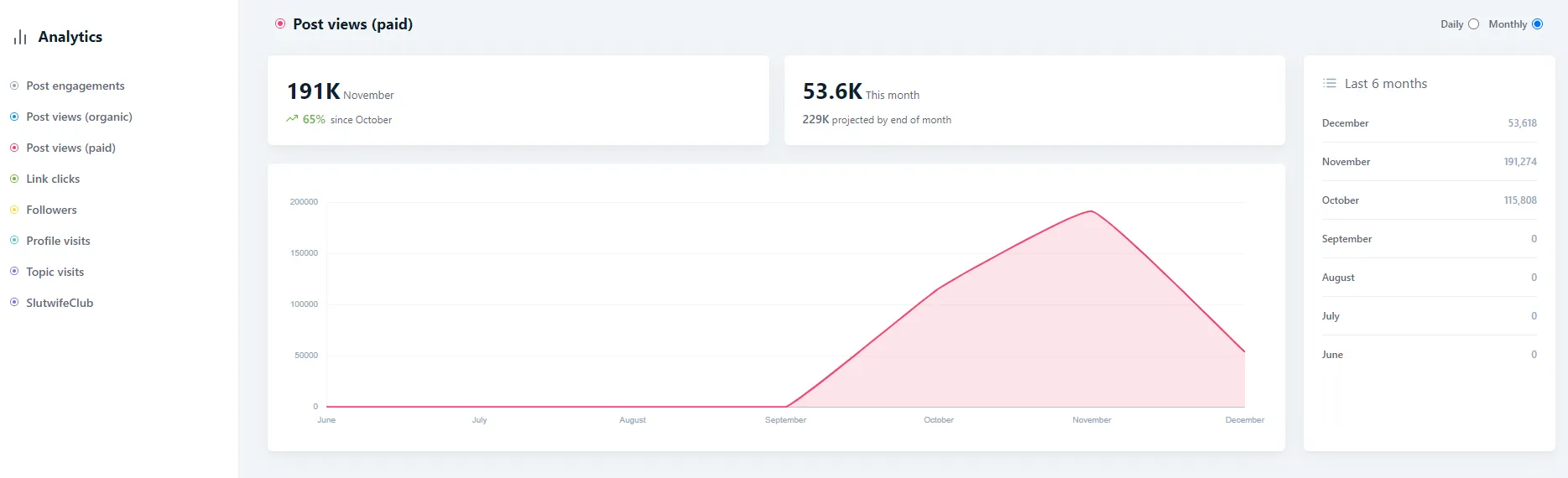
Additionally, Sharesome provides creators with an Analytics Tool to track engagement, organic and paid views, link clicks, new followers, and profile visits—helping them refine their marketing strategies.
The Untapped Potential of Adult Social Media
The potential market for a platform like Sharesome is massive, with an estimated 450–600 million users consuming NSFW content online regularly. If Sharesome reaches this scale, it could land between Twitter (336 million users) and Instagram (2 billion users), making it the first sex worker-driven top 10 social media platform—further proving the economic power of the adult industry.
As the adult content economy continues to evolve, platforms like Sharesome may finally bridge the gap between content creation and sustainable, scalable marketing for creators.