The Silent Censorship
Shadowbanning is a covert form of social media censorship where platforms restrict the visibility of a user’s content without explicit notification. For sex workers, LGBTQ+ activists, and other marginalized communities, shadowbanning is not just an inconvenience—it’s a direct attack on their livelihoods, safety, and ability to organize.
Social media is an essential tool for adult content creators and marginalized groups, offering a platform to build community, generate income, and access harm reduction resources. However, despite claims of neutrality, platforms increasingly use opaque moderation policies and algorithmic biases to suppress their visibility. Policies such as FOSTA/SESTA and vague community guidelines disproportionately impact these communities, leading to shadowbans that disrupt financial stability and stifle vital conversations.
What makes shadowbanning particularly insidious is its hidden nature. Users are often unaware they have been restricted, making it difficult to challenge or adapt. Research and firsthand experiences confirm that entire networks of people—especially sex workers—are being collectively targeted through algorithmic association, making the ban even harder to detect and counteract.
This article explores the mechanics of shadowbanning, its underlying causes, and the pressing need for adult content creators and marginalized communities to establish their own sex-positive social media platforms. Recognizing these systemic issues—and understanding why they are unlikely to change—is the first step toward creating sustainable alternatives rather than relying on platforms that claim inclusivity while actively silencing those who challenge the status quo.
Why Social Media Platforms Push Sex Workers Out
While social media companies claim to be inclusive and neutral, they systematically push sex workers and adult content creators off their platforms. There are four primary reasons for this exclusion, and each presents significant challenges to overcome.
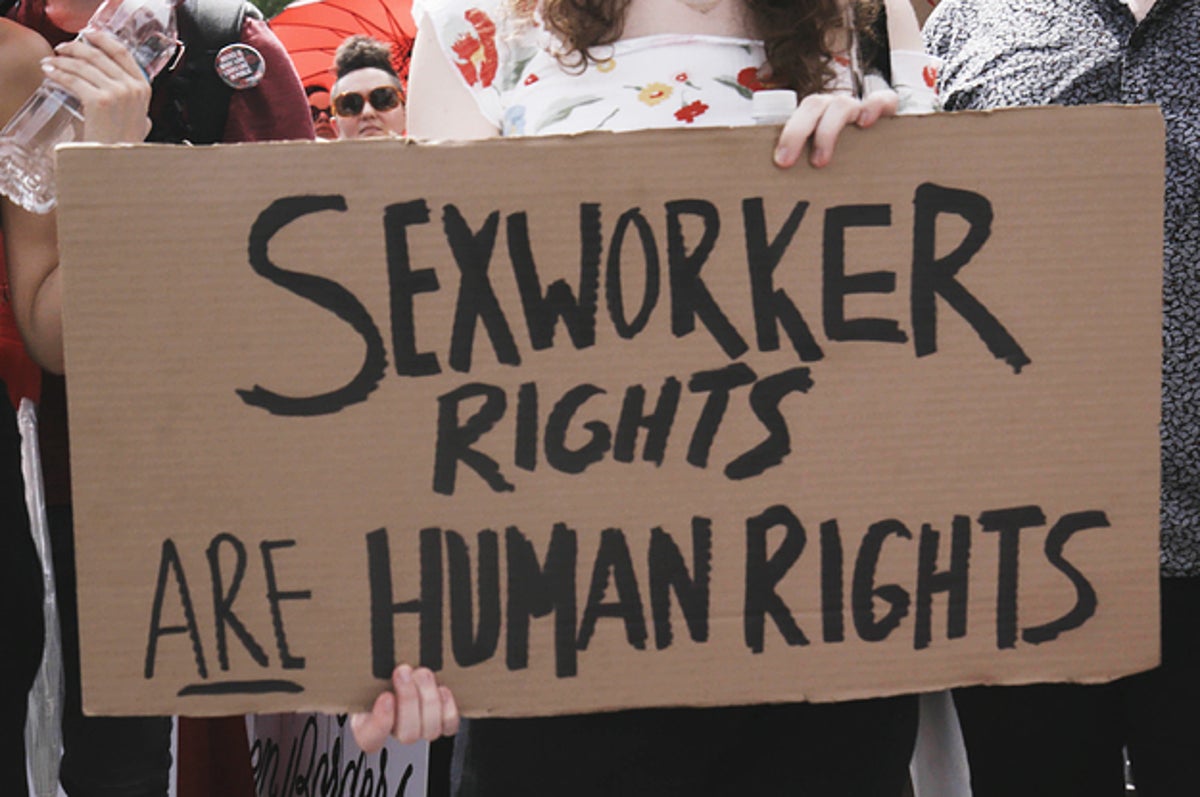
Sex workers are not considered profitable for social media platforms because these companies rely on advertising revenue. Mainstream brands are highly protective of their reputation, and brand safety measures ensure that advertisements do not appear next to NSFW (Not Safe for Work) content. Consumers often view ad placements as implicit endorsements, and no corporation wants its brand associated with adult content. To maintain advertiser confidence, social media platforms classify sex work as “not-brand-safe” content, leading to suppression in feeds, search results, and monetization opportunities. Additionally, AI-powered moderation tools are designed to detect and remove NSFW content, further marginalizing adult content creators.
Legal and political pressures also play a major role. Social media giants, particularly Facebook and Instagram, are under increasing scrutiny from lawmakers and regulatory bodies. To avoid legal trouble, they often err on the side of extreme content moderation. In the United States, laws like FOSTA/SESTA make platforms liable for content related to sex work, even when it is consensual and legal. As a result, these companies aggressively remove or suppress accounts related to sex work to avoid legal risks.
The War on Porn in the United States further exacerbates the issue. Social media platforms are based in the U.S., where conservative and religiously motivated groups have long sought to eliminate adult content. Efforts such as Project 2025, spearheaded by the Heritage Foundation, propose criminalizing pornography outright, targeting producers, distributors, and tech companies that facilitate adult content. State-level laws, such as Texas’ age verification requirements for adult sites and Illinois’ legislation allowing parents to sue companies over minors accessing porn, reflect a growing crackdown on adult content. These legal and ideological battles are backed by powerful conservative figures and organizations, pressuring platforms to distance themselves from sex work and adult content creators to maintain political and financial security.
Investor pressures on public companies further restrict the industry. Social media giants are publicly traded, meaning they rely on institutional investors to maintain their stock value. Many investment funds have strict guidelines that prevent them from supporting businesses associated with the adult industry. The case of Tumblr is a prime example—after banning NSFW content, the platform’s value plummeted, yet it remained more attractive to investors who would not support a sex-positive platform.
What Would Need to Change?
To create a more inclusive and sustainable online space for sex workers and marginalized communities, several major shifts need to happen. Brands must change their advertising policies and become willing to advertise within the adult industry. While some brands are making progress in supporting progressive social issues, mainstream companies remain hesitant to engage with sex-positive content.
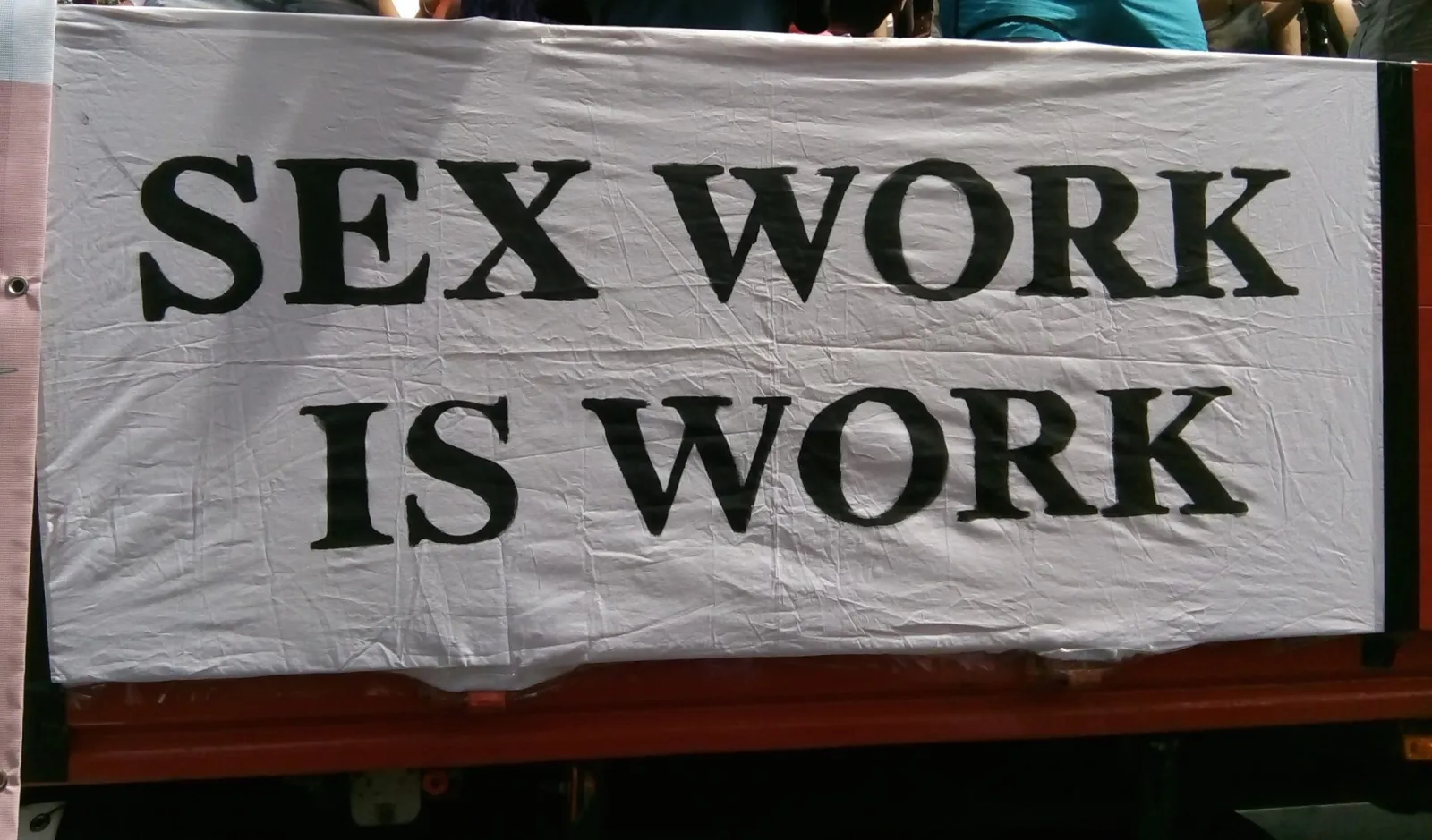
Decriminalization of sex work would remove some of the liability concerns for social media platforms. Countries like New Zealand and Belgium have successfully decriminalized sex work, granting sex workers legal protections and social benefits. Some regions in Australia have followed similar paths, while South Africa is in the process of considering decriminalization. However, other nations, like Sweden and France, have intensified pressure on sex work through restrictive laws, and in the United States, the Nordic model and policies like FOSTA/SESTA continue to marginalize sex workers. Given the global landscape, where countries are either taking progressive steps or reinforcing criminalization, achieving decriminalization on an international level remains highly unlikely.
Financial and investment reforms are also necessary. As long as investors refuse to back companies that support adult content, publicly traded social media platforms will continue to sideline sex workers. Changing these financial structures would require a major cultural shift in how the adult industry is perceived within global markets.
The Need for Independent, Sex-Positive Platforms
The war on porn should concern everyone. Sex is one of the most fundamental human needs, yet monopolistic platforms, app stores, and financial institutions are increasingly restricting discussions and representations of it. Major companies like Google, Cloudflare, Amazon AWS, and GoDaddy have the power to shut down websites, block users, and cut off financial support for adult content creators, further marginalizing those who rely on these platforms for their livelihoods.
Given these structural barriers, alternative platforms are essential. Rather than struggling for visibility in spaces designed to exclude them, sex workers and marginalized communities should focus on building their own digital ecosystems that prioritize sex-positivity, privacy, and financial sustainability. There is a vast potential audience—around 3 billion people consume adult content regularly, and estimates suggest a sex-positive social media platform could reach 200-700 million monthly active users.
Sharesome is one such initiative, designed as a sex-positive social media platform independent of app stores. Built as a Progressive Web App (PWA), it already has 3M monthly active users and growing. Sharesome is poised to become the operating system for the creator economy, connecting adult content creators with their fans and serving as their preferred social media platform for building and growing their follower base. By leading the adult industry’s influencer marketing space, Sharesome aims to carve out a significant share of the $100 billion market while providing a safe and inclusive environment for sexual expression.
In the future, Sharesome will redefine the social media landscape, positioning itself as the premier network for adult content creators and their audiences. With around 300 million active users engaging pseudonymously, Sharesome will stand alongside mainstream platforms like Facebook for connecting with friends, Instagram for showcasing, Twitter for news, and TikTok for entertainment. As a social network dedicated to all things sexy, it will offer a space where users can freely explore their sexuality in a positive and mindful way, ensuring a secure and thriving environment for creators and their communities.
Think of Sharesome as a mix between Instagram, X (Twitter), and Reddit – without the hate speech, but with the nudes.